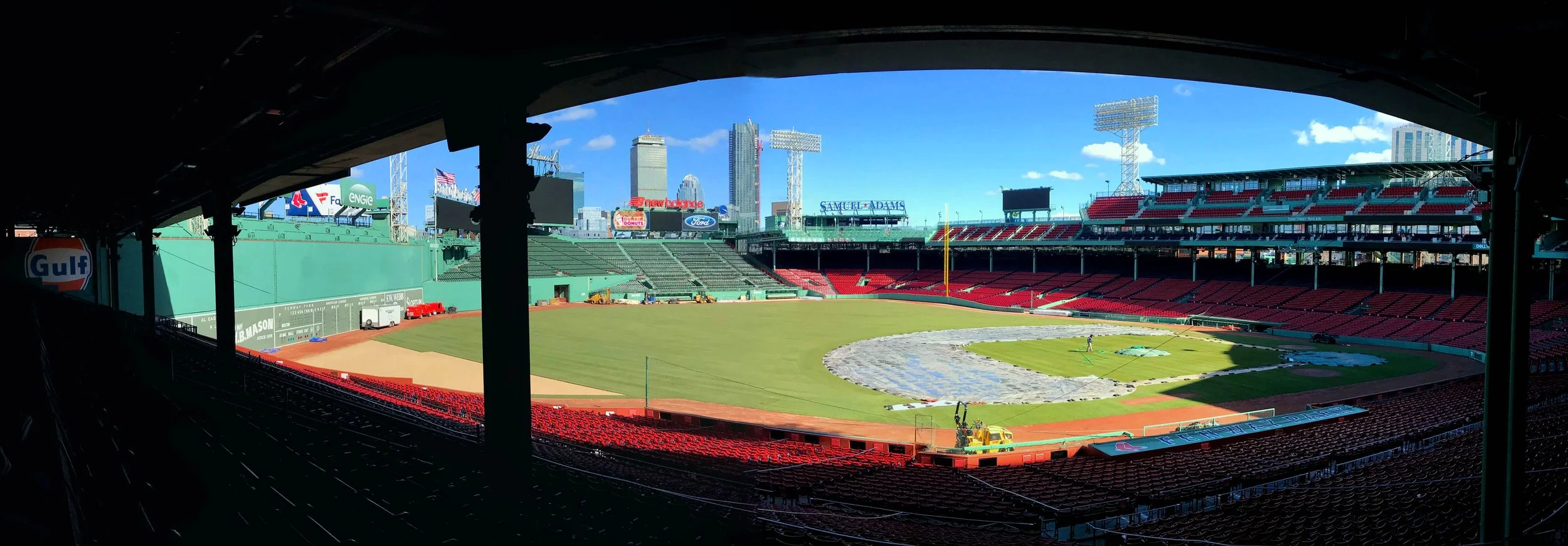
Fenway Park is one of the oldest and most unique ballparks in Major League Baseball — and that uniqueness makes shade especially inconsistent during day games. With unusual angles, asymmetrical seating, and limited overhangs, sun exposure at Fenway varies widely by section and row.
This guide explains how shade works at Fenway Park, which regular seating areas offer the best protection, and how to plan ahead so you don’t end up baking in the sun.
Table of Contents
How Shade Changes Throughout the Season
Because Fenway Park has an unconventional layout, shade patterns change significantly throughout the season as the sun’s angle shifts from spring to summer.
That makes Fenway an ideal use case for the 3D Shadow Map tool on shady-seats.com.
With the Shadow Map tool, you can:
- Select a specific game date
- Choose an exact start time
- See how sunlight and shade move across Fenway Park during the game
This allows you to preview exactly which sections will be shaded for the game you’re attending — which is especially helpful at a stadium where shade is far from uniform.
How Shade Works at Fenway Park
Fenway Park is oriented so that early afternoon games receive heavy sun exposure, particularly in the lower seating bowl. There is no consistently shaded side early in the game, and shade develops slowly as the sun moves west.
At Fenway, shade is influenced by:
- Seating level
- Row depth
- Structural obstructions (walls, upper decks)
- Time of year
Because of Fenway’s age and design, row selection is often more important than section number.
Best Shaded Seats at Fenway Park (Regular Seating)
Upper Rows of Infield Box and Field Box Sections
For fans sitting in lower-level infield areas, upper rows provide the best chance at shade.
Look for:
- Rows closer to the back of Infield Box sections
- Seats where the upper deck begins to overhang
Lower rows near the field are often fully exposed for much of the game.
Grandstand Sections (Strong Shade Potential)
The Grandstand sections can offer solid shade during day games, especially in rows farther back.
Why they work:
- Structural elements and overhangs block sunlight sooner
- Elevated position helps reduce direct exposure
Best options:
- Rows toward the back of Grandstand sections
- Third base side Grandstands, which tend to receive shade earlier later in the game
Upper Deck (Right Field Roof Box / Pavilion Areas)
Upper-level seating areas often receive shade earlier than Field Level seats.
Target:
- Rows farther back
- Sections with roof structures above
These seats can be more comfortable during hot afternoon games, even if they’re farther from the field.
Third Base Side vs. First Base Side
For mid-afternoon and later starts, the third base side of Fenway Park generally becomes shaded earlier as the sun moves west.
For early starts:
- Shade depends more on overhangs and row depth
- First base side seats often remain sunny longer
If avoiding sun is your priority, the third base side is usually the safer choice.
Seats to Avoid for Day Games
If shade matters to you, be cautious with:
- Bleacher seats (largely exposed)
- Lower rows close to the field
- Right field seating during early starts
These areas often receive direct sunlight for most of the game.
When Shade Reaches Seating Areas
For most Fenway Park day games:
- Early innings: Most lower seats and bleachers are sunny
- Middle innings: Grandstand and upper rows begin shading
- Later innings: Third base side sees the most consistent shade
Exact shade timing depends heavily on the date and start time.
Final Thoughts
Fenway Park’s charm comes with unpredictable sun exposure, especially during day games. To stay comfortable, focus on upper rows, structural overhangs, and the third base side, and avoid bleachers and lower Field Level rows when possible.
Because Fenway’s shade patterns vary so much by season, using a date-specific tool is the smartest way to plan ahead.
Our 3D shadow maps take time and money to maintain. Please consider using our StubHub link below to support Shady Seats and keep these tools free. We may earn a small commission at no extra cost to you.
